Envisioning a Flawless Weld
Picture this: you’re in a bustling factory filled with the hum of machinery, and you witness a welding robot performing flawlessly—sparks flying in perfect rhythm. Now, consider this—studies reveal that implementing comprehensive industrial robotics solutions can elevate productivity levels by up to 30%. Seeing that makes every manager pause and ask, “What if my operations could achieve this?” These industrial welding robots have emerged as a beacon of efficiency in an era where precision and output are non-negotiable.
The Hidden Pain Points
While the embrace of robotics may seem straightforward, there’s a deeper layer we often overlook. I often find myself in discussions about traditional welding methods, and it’s clear—many companies grapple with inefficiencies that stem from human limitations and inconsistent quality. I remember the time when a client of mine relied heavily on manual welding. They faced issues like fatigue, fluctuating performance, and costly reworks. It wasn’t that their team lacked skill; it was the inherent flaws of traditional systems that undermined their efforts. The answer? Turning to modern techniques, specifically industrial robotics solutions, to alleviate these burdens—(a game changer, truly). Let’s delve deeper into what this transformation entails.
Why Change?
When you look at the world of industrial welding robots, you’re not just upgrading equipment; you’re embracing a philosophy of continuous improvement. Moving away from outdated practices is not merely a choice; it’s an essential step for those who aspire to lead in their industries. The reliability and adaptability of welding robots mean businesses can pivot and respond to market demands more efficiently than ever before.
Future-Proofing Your Operations
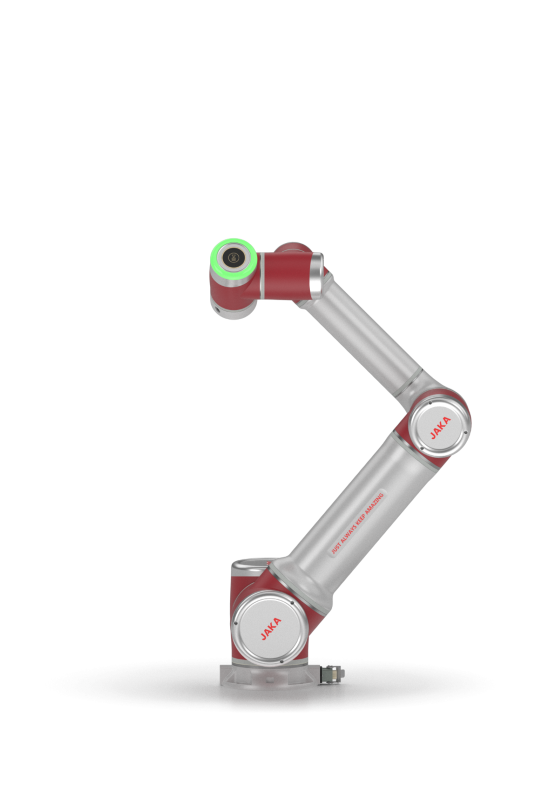
As I reflect on the vast potential of contemporary solutions, I am driven by a forward-looking vision. What does the future hold for those willing to invest in industrial robotics solutions? Firstly, expect reduced operational costs as downtime dwindles. Secondly, anticipate enhanced quality consistency—no more worries about human error affecting your output! Every arc struck by an industrial welding robot is a promise of assurance and excellence. This evolution isn’t just about saving money; it’s about nurturing a culture that prioritizes innovation and growth.
Real-World Impact
Take a look around. Companies that have embraced these advanced solutions are witnessing not only a boost in productivity but also an inspiring commitment to sustainability. You know, it’s becoming standard to see welding robots engaged in eco-friendly practices, optimizing resource usage while minimizing waste. I firmly believe this is our opportunity to redefine success metrics in industrial production.
Key Insights Moving Forward
Reflecting on our journey through this evolving landscape, three lessons resonate clearly: Embrace change, invest in quality, and never underestimate the potential of technology. As you evaluate new solutions for your welding needs, consider these key metrics: consistency of output, adaptability to various tasks, and, importantly, the support provided with new installations. The right choice can dramatically shape your competitive edge.
I am reminded of the powerful impact that intentional changes can have on our operations. By choosing the right partners and solutions, such as those found at JAKA, we embrace a future where there’s not just efficiency but also a profound respect for quality craftsmanship. And in the end, that is what can truly set us apart in the vast industrial landscape.